AHS Students and Staff Speak Out on Almost-Ban
Ella Hu and Shreya Soni || STAFF WRITERS
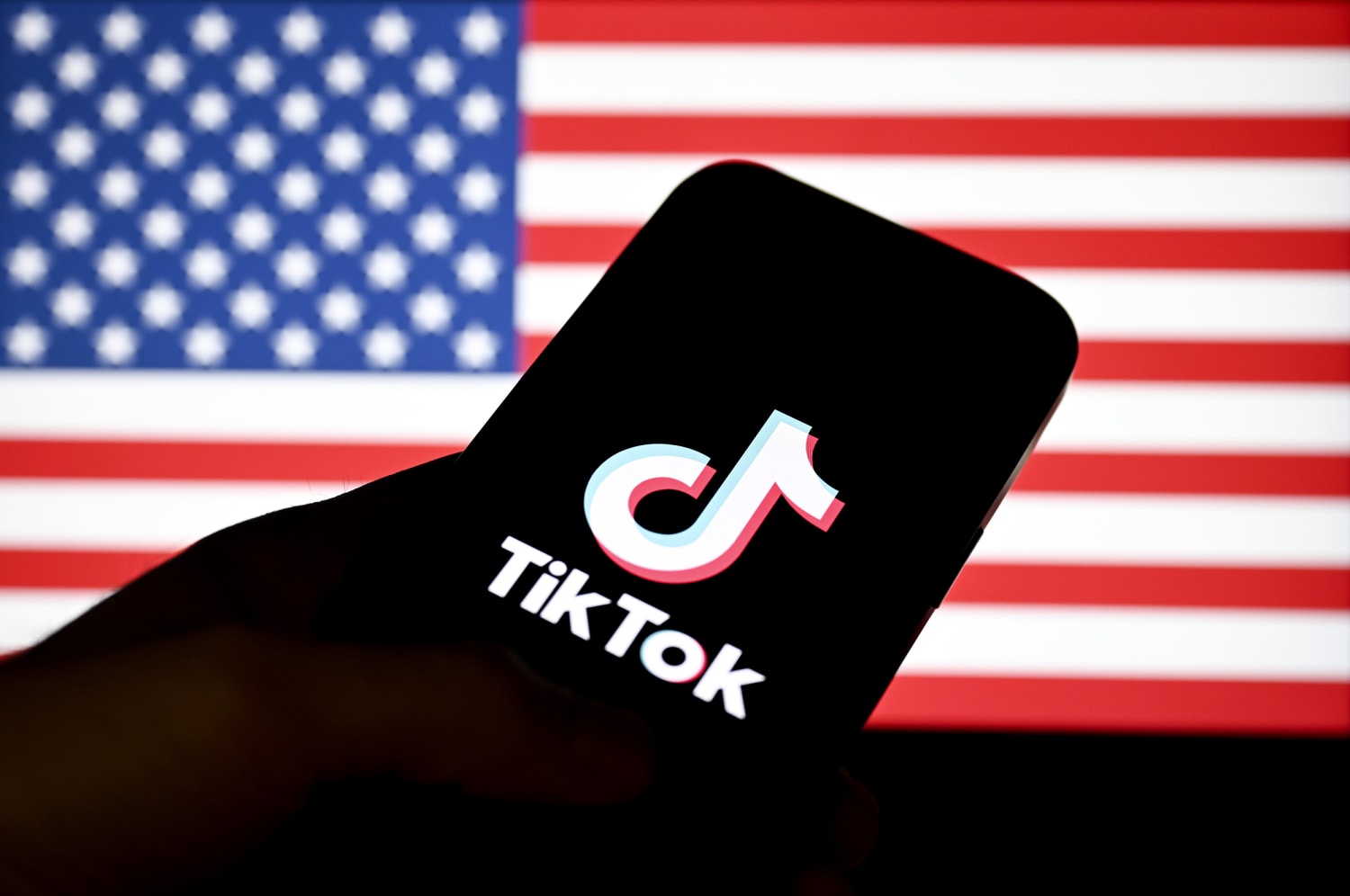
After months of legal turmoil, political debates, and relentless pursuit by its competitors to enact the ban, TikTok has beaten the clock once again. Content creators and small online businesses breathe a sigh of relief as users once again listlessly scroll to see posts from their favorite celebrities. TikTok may have dodged the ban for now, but AHS teachers and students still speculate and are uncertain of the app’s usage in the U.S., especially with ongoing discussions about data privacy and national security concerns. We reached out to several AHS teachers and students to survey their perspectives on the TikTok ban and how it would impact their daily lives.
The Risk Taker
AHS senior Youssef Ghidi has long used TikTok as a source of entertainment. However, as the ban approached the impending date of January 18, 2025, Ghidi decided it was time to quit focusing on the opinions of those around him and post a humorous “Get-Ready-With-Me” (GRWM) style video. Ghidi believed that once the ban was enacted, his videos would not reach a large audience, as most TikTok users are based in the U.S. When the ban was lifted, he was shocked that his content had gone viral, amounting to more than half a million views.
“When TikTok was about to get banned, I was like, I just won’t care, and I created a video making up fake stories,” Ghidi explained. “The first one I made blew up a little bit—around 20 thousand views—then I made another one, and it was more outrageous and had a better hook. It has over 500,000 views, and I also gained a lot of random followers. Everyone knows about it, and it’s just funny.”
Like Ghidi, many TikTok content creators have also begun to post their “drafts” and videos that they were initially apprehensive about posting. For many of them, it was a way to reveal and post more about themselves despite what they believed others would think of them.
The Alternative Seekers
Others were searching for an alternative app once the ban took place. Among those was Xiaohongshu, a Chinese social media app. The app, similar to TikTok, serves as a lifestyle platform and is a space for users to share reviews on travel tips, suggestions, and shopping recommendations.
“I have been using Xiaohongshu since last year, and it has become my favorite app,” said Chinese teacher Lin Wu. “It has become really popular recently, especially with many ‘TikTok refugees,’ but it is more lifestyle content-related compared to TikTok.”
Despite the recent popularity spike of the app as a part of the TikTok trend, Wu has been using it for a while in her teaching. “I actually use this app as a teacher, and many other Chinese teachers in the U.S also share their teaching resources. I love watching their videos and they give me ideas and inspiration,” she said.
For Instagram, the TikTok ban seems beneficial, acting as a method of ridding itself of its top competitor, but TikTok users disagree. AHS students who use TikTok daily agreed that Instagram is a more serious app compared to TikTok, which promotes carefree content. To students, TikTok also has more variety content-wise and offers more inspiration on many topics for students.
According to Ghidi, “Instagram is so much more different. The vibes are different, and people on Reels are mean and don’t enjoy the sillier stuff; they are so judgmental and mean. Making a post on Instagram is more formal, and it’s for others. I post every once in a while when I’m feeling myself or on special occasions, but TikTok is for [posting] whenever I want.”
The Indifferent
Some students, like senior Mitran Kumar, are entirely unaffected by TikTok’s ban. Unlike most teenagers, who use TikTok on a daily basis, Kumar does not use the app at all and is “rather neutral” on the subject. However, Kumar uses other forms of social media like Instagram and recognizes the chokehold that TikTok and similar apps have had on society, especially on those belonging to the younger generation.
“I think TikTok has a lot of weight in terms of culture, and it can give a platform for new ideas and creators, brainrot or not,” said Kumar. With the rise of new trends and social ideologies, specifically the usage of slang or “brain rot,” TikTok has been a prominent aspect of its users’ lives. Kumar has personally experienced this within his everyday interactions with friends who use the app.
Kumar understands that government intervention was necessary in mitigating any potential harm that TikTok could inflict on its users. “I trust elected government officials over private corporations, wherever they are from, as we often can’t see the inner workings of tech companies. The legacy of TikTok isn’t very positive, and I feel like the government was in the right to step in,” he said.
The Hesitant
Many are uncertain about TikTok’s impending fate in the U.S,. but agree its impact on social culture is undeniable. Whether seen as a creative outlet, a source of entertainment, or a controversial platform under government criticism, the app continues to influence interactions with digital content. While some, like Ghidi, used the ban as an opportunity to express themselves, others have sought alternatives, believing Western platforms are safer.
For health teacher Betsey Desfosse, the line is drawn closer toward safety rather than the loss of a source of entertainment. It is undeniable that the impact TikTok has had on society makes it more than an app. However, now that it has become a force that dictates how we connect, communicate, and share our lives, Desfosse believes safety should be the utmost priority when using TikTok.
“There are companies in the United States that won’t even let their employees download TikTok on their phones,” Desfosse asked. “So what does that government agency know about TikTok, and the information they’re taking in from you?”