Tik. Tok. Time is Running Out
  • April 1, 2025

AHS Students and Staff Speak Out on Almost-Ban

Ella Hu and Shreya Soni || STAFF WRITERS

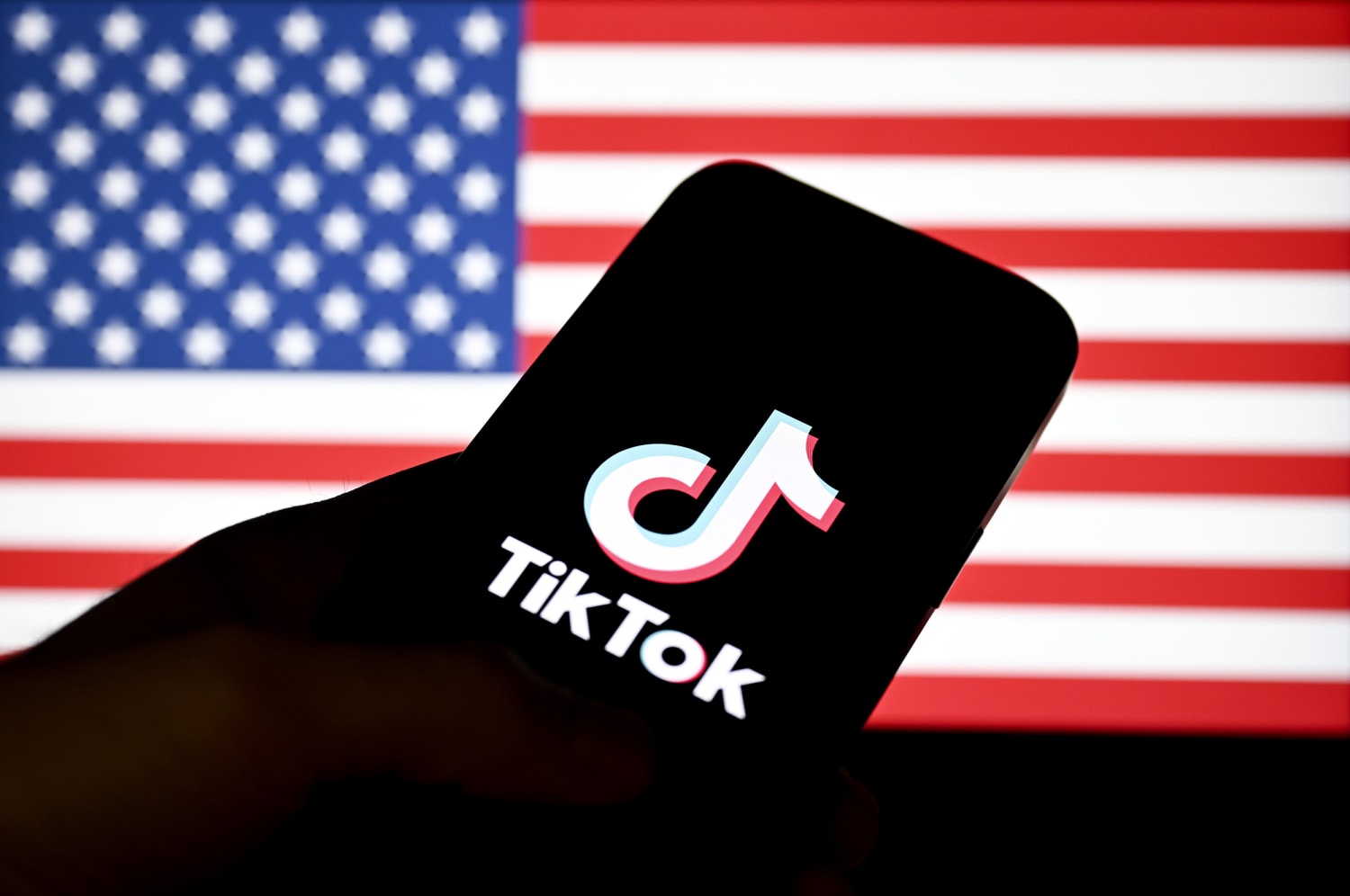
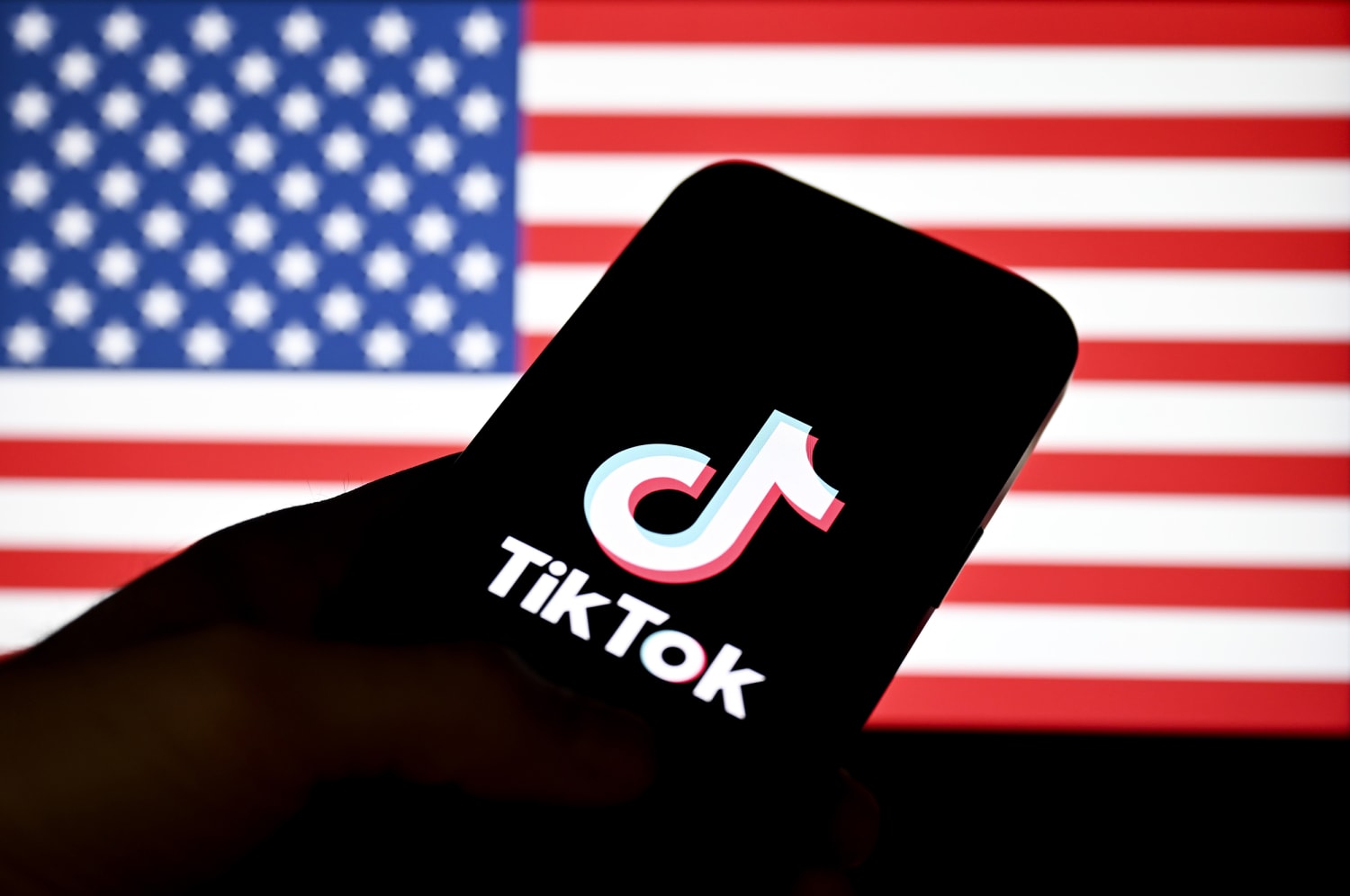
After months of legal turmoil, political debates, and relentless pursuit by its competitors to enact the ban, TikTok has beaten the clock once again. Content creators and small online businesses breathe a sigh of relief as users once again listlessly scroll to see posts from their favorite celebrities. TikTok may have dodged the ban for now, but AHS teachers and students still speculate and are uncertain of the app’s usage in the U.S., especially with ongoing discussions about data privacy and national security concerns. We reached out to several AHS teachers and students to survey their perspectives on the TikTok ban and how it would impact their daily lives. 

The Risk Taker 

AHS senior Youssef Ghidi has long used TikTok as a source of entertainment. However, as the ban approached the impending date of January 18, 2025, Ghidi decided it was time to quit focusing on the opinions of those around him and post a humorous “Get-Ready-With-Me” (GRWM) style video. Ghidi believed that once the ban was enacted, his videos would not reach a large audience, as most TikTok users are based in the U.S. When the ban was lifted, he was shocked that his content had gone viral, amounting to more than half a million views. 

“When TikTok was about to get banned, I was like, I just won’t care, and I created a video making up fake stories,” Ghidi explained. “The first one I made blew up a little bit—around 20 thousand views—then I made another one, and it was more outrageous and had a better hook. It has over 500,000 views, and I also gained a lot of random followers. Everyone knows about it, and it’s just funny.”

Like Ghidi, many TikTok content creators have also begun to post their “drafts” and videos that they were initially apprehensive about posting. For many of them, it was a way to reveal and post more about themselves despite what they believed others would think of them.  

The Alternative Seekers

Others were searching for an alternative app once the ban took place. Among those was Xiaohongshu, a Chinese social media app. The app, similar to TikTok, serves as a lifestyle platform and is a space for users to share reviews on travel tips, suggestions, and shopping recommendations.

“I have been using Xiaohongshu since last year, and it has become my favorite app,” said Chinese teacher Lin Wu. “It has become really popular recently, especially with many ‘TikTok refugees,’ but it is more lifestyle content-related compared to TikTok.” 

Despite the recent popularity spike of the app as a part of the TikTok trend, Wu has been using it for a while in her teaching. “I actually use this app as a teacher, and many other Chinese teachers in the U.S also share their teaching resources. I love watching their videos and they give me ideas and inspiration,” she said. 

For Instagram, the TikTok ban seems beneficial, acting as a method of ridding itself of its top competitor, but TikTok users disagree. AHS students who use TikTok daily agreed that Instagram is a more serious app compared to TikTok, which promotes carefree content. To students, TikTok also has more variety content-wise and offers more inspiration on many topics for students. 

According to Ghidi, “Instagram is so much more different. The vibes are different, and people on Reels are mean and don’t enjoy the sillier stuff; they are so judgmental and mean. Making a post on Instagram is more formal, and it’s for others. I post every once in a while when I’m feeling myself or on special occasions, but TikTok is for [posting] whenever I want.”

The Indifferent

Some students, like senior Mitran Kumar, are entirely unaffected by TikTok’s ban. Unlike most teenagers, who use TikTok on a daily basis, Kumar does not use the app at all and is “rather neutral” on the subject. However, Kumar uses other forms of social media like Instagram and recognizes the chokehold that TikTok and similar apps have had on society, especially on those belonging to the younger generation. 

“I think TikTok has a lot of weight in terms of culture, and it can give a platform for new ideas and creators, brainrot or not,” said Kumar. With the rise of new trends and social ideologies, specifically the usage of slang or “brain rot,” TikTok has been a prominent aspect of its users’ lives. Kumar has personally experienced this within his everyday interactions with friends who use the app.

Kumar understands that government intervention was necessary in mitigating any potential harm that TikTok could inflict on its users. “I trust elected government officials over private corporations, wherever they are from, as we often can’t see the inner workings of tech companies. The legacy of TikTok isn’t very positive, and I feel like the government was in the right to step in,” he said.

The Hesitant

Many are uncertain about TikTok’s impending fate in the U.S,. but agree its impact on social culture is undeniable. Whether seen as a creative outlet, a source of entertainment, or a controversial platform under government criticism, the app continues to influence interactions with digital content. While some, like Ghidi, used the ban as an opportunity to express themselves, others have sought alternatives, believing Western platforms are safer. 

For health teacher Betsey Desfosse, the line is drawn closer toward safety rather than the loss of a source of entertainment. It is undeniable that the impact TikTok has had on society makes it more than an app. However, now that it has become a force that dictates how we connect, communicate, and share our lives, Desfosse believes safety should be the utmost priority when using TikTok. 

“There are companies in the United States that won’t even let their employees download TikTok on their phones,” Desfosse asked. “So what does that government agency know about TikTok, and the information they’re taking in from you?”

image credit: NBC news

Continue reading
SCROLL: Day in the Life of a High Schooler
  • March 17, 2025

Anya Gorovits and Diya Manikandan || STAFF WRITERS

I jolt out of sleep as my alarm blares into my ears. My hand moves before my brain does, reaching for my phone. I quickly snooze the alarm and instinctively click to watch some videos—just a few to start the day. 

“STOP SCROLLING, If you want to be more productive, you need a morning routine.”

I blink at the screen. That sounds…important. I watch as a girl lists out five steps to increase productivity. I instantly forget steps one through four, but I think step five is “stop wasting time.”

I nod. Good advice. I watch another video. Then another; 20 minutes later, I’m still in bed.

Scroll.

History, first period. The teacher is lecturing us about the Constitution, but it sounds fake. I open my phone under my desk.


Is the Constitution even real?”

First result, a guy’s voice blares through my AirPods: “WAKE UP PEOPLE, the government doesn’t want you to know this, but the Constitution was actually written by time travelers!”

I look up to see everyone staring at me. Shoot, my AirPods never connected. The teacher sighs and continues on with the lesson. I look back at my phone.

Scroll.

Math class. I don’t understand anything. The room is silent, except for the teacher’s monotone voice and the sound of someone cracking their knuckles. What if she calls on me?

I ask to go to the bathroom and leave. In line, I open my phone. 


I return to class 12 minutes later. The teacher glances over at me from her desk.

“You okay?” she asks. I nod and slide into my seat. 

Scroll.

Time for lunch. I sit with my friends. We smile at each other and pull out our phones. Overlapping sounds from our phones accompany the background noise of the cafeteria. 

Someone finally looks up. “Did you see that—”

“Yeah, I saw it on TikTok,” I say. They nod and go back to scrolling. I take a bite of my wrap.

Scroll.

Gym class. The teacher says we need to exercise. 

I check my phone. One video says walking 100 steps a day is enough. The next says running can be bad for you.

I decide to sit down. 

Scroll.

Finally, I’m home. I open up a blank doc. My English essay on phone usage is due tomorrow. Time to focus. I set my phone on the other side of my desk. 

I type my first two sentences, occasionally glancing over at the chipped screen that stares back at me, daring me to pick it up. I begin to write, “Phone addiction is a myth. I would be able to survive without my phone–”

BZZZ. BZZZ.

Ignore it. I need to focus. I write another sentence, but the words just don’t sound right, even though they came from a video by a wellness influencer. Somehow, everything sounds better when it’s online.

I’m about to finish the end of my next sentence—

BZZZ. BZZZ. BZZZ.

Maybe it’s something important. It couldn’t hurt to check. 

My phone screen lights up. Oh, someone new requested to follow me. I should see who they are, check out their posts, where they go to school—

Scroll.

Four hours later, the three sentences from my essay stand alone. Meanwhile, I’ve watched 73 videos. A few of them were on tips for better writing though, so it’s basically studying.

Scroll.

My eyes drag lazily across the screen of my phone to check the time. Midnight. I should sleep. 

Another video will help me fall asleep. Just one more. 

Scroll.

It’s 3:00 AM, and my phone is snug against the indentation it’s made on my pinky finger.  

A pop-up interrupts the dancing cat on my screen…

 “Time to take a break? You’ve been scrolling for a while!” 

Sigh… 

Scroll.

Continue reading
OPINION: Freedom vs. Control in the Digital Era: Balancing Privacy and Security
  • October 7, 2024

Anushka Dole
STAFF WRITER

Pavel Durov, the founder of Telegram, a secure messaging app, was arrested on August 24 in France under allegations of allowing terrorist activities and other abuses to take place on the platform. The arrest has had a ripple effect across the globe, as Durov was an openly pro-privacy figure who is being penalized for it like many before him. 

Privacy was a cornerstone of Telegram, which protects user’s privacy by not sharing user data to third parties and enabling end-to-end encryption for certain chats. Durov’s arrest has led to collective anxiety about what can be shared online—even in a simple phone call or text to a friend—and has opened up conversations at AHS about online freedom. To protect our freedoms, we must completely reform the legal system to accommodate for the digital era and encourage companies to moderate content with algorithms rather than immediately handing data over to the government.

Digital freedom and privacy of data is especially important for teenagers, as we live much of our lives online. Since we are free to communicate in person without fear of the government listening in and regulating our conversations, then it shouldn’t be any different online. However, government surveillance of the internet has been prevalent since its inception—this is not necessarily a bad thing, because government intervention is necessary in criminal activity, but there is a line between protecting user safety and infringing on their privacy. 

Junior Milena Tiernan said she thinks, “It is our liberty to be able to communicate privately with each other, but [the government] should be able to see if people are trying to hurt other people in the real world.” 

Senior Aaryan Deshwal expressed similar views. “There should be a balance between free speech and using speech to incite violence and crime,” he said. “Free speech should not be regulated at all unless there are clear indications of bad intention.” 

 In Massachusetts, and the overall United States, COPPA (Children’s Online Privacy Protection Act) is set in place to protect children’s data from being exploited online, but the act only protects people 13 and under. High schoolers—even adults—are still vulnerable and impressionable, and if they make a mistake or fall in with the wrong digital crowd, their digital footprint will condemn them for the rest of their life. Making a mistake online directly escalates to law enforcement, something that has not been seen in the past.

In the past, even for adults who had their own home and privacy, the reliance on others in order to be able to send communications provided checks and balances on misdeeds. The mailman noticing a questionable package or neighbors noticing suspicious activity from the house next door served as informal obstructions to those who would attempt to perform illegal activity. 

Today, parents find it difficult to police their children’s content due to the sheer volume of production. And for the community surrounding the perpetrator? It’s very difficult to find signs of unlawful activity when there is no access to physical records or patterns of behavior to examine. 

Law enforcement has simply not caught up to the leaps that technology has made. The systems that are currently in place to safeguard us are built on a shaky foundation and are far too outdated. Algorithmic analysis of content could be a necessary intermediary—like neighbors or mailmen—to keep the balance between total anarchy and total surveillance.

Sophomore Arnav Josh had similar thoughts. “Tech companies should have basic, non-invasive filters meant to accurately recognize obvious illegal activity… it would be a huge breach of privacy for companies to be able to look at every conversation between people,” he said.

“You would need some sort of think tank, philosophers, people across the political spectrum, privacy experts, legal experts… You need a whole 360-degree view of people who can talk this through,” Bezaire added. “You need people from different walks of life, different education, different backgrounds to be able to put together a new ‘tech bill of rights’ that protects people but also helps keep us safe.”

Durov’s arrest may leave more questions than answers. And that’s okay—these are deep, complex issues that strike at the very core of humanity. Resolving them will require much more thought, countless conversations, and inevitably, even more questions. The tension between privacy and security will always be challenging to navigate, but it’s a balance we must find. The future of our society depends on it.

Continue reading
“Can U Do Me a Favor?”: Hacker Pirates AHS Instagrams
  • October 4, 2024

By Ella Hu
STAFF WRITER

All hacked accounts are managed by the hacker, who turned accounts into baits for money and places to post art content. Many AHS students mentioned receiving DMs on Instagram from hacked accounts asking for $50 or to use their profile picture. 

Junior Ana Murray first received a DM from a friend on her Instagram account asking for help, for Murray’s phone number and for her to answer a link sent to her number. Everything happened quickly, and Murray offered her help without suspecting anything. With a hold of Murray’s phone number, the hacker had full access to her information, including access to her passwords and accounts. 

STAFF PHOTO / Ella Hu
Sophomore Anya Gorovits receives text message from compromised Instagram account asking for a favor.

“The text sounded normal coming from my friend,” Murray said. “The timing and the tone really sounded like her and something she would say.” Murray followed the hacker’s instructions, which ended up compromising her Instagram account. 

Later, she discovered her friend’s Instagram account was hacked, and now her account was too. “After I provided my phone number, I lost access to my account and couldn’t open it,” she said. “The whole thing disappeared, and I started getting weird texts… when I blocked them, I would get another message from a new email or phone number asking for money.”

Principal James D’Andrea was made aware of the hacking phenomenon, which has also been affecting students’ access to their school email accounts. “If students’ Instagram accounts are hacked with their email logged on, they will be locked out of their emails as a protection management,” he said. “A lot of things in the school system are designed to ensure that systems in the school district remain safe from potential cyber-attacks or threats.”

It is difficult for apps to keep up with all the ways hackers can compromise user accounts using unsuspecting messages. However, D’Andrea said, “We know new technologies are developing and evolving so we have to constantly monitor what is happening behind the scenes… it is our priority that beyond academics, students are physically safe… emotionally safe, and ultimately, technologically safe.” 

Continue reading
A Girl Voted for You: Social Media App Gas Arrives at AHS
  • January 13, 2023

By Vismay Ravikumar
STAFF WRITER

Gas Logo

Ding! You flip over your phone and see a banner pop up on your lock screen: “a girl voted for you.”Tapping on the glass screen, you unlock the app, and a flash of pink radiates over your face.  The phrase “Life of the Party” printed in bold white text fills the screen and a shy smile spreads across your face, making your drab day just a tad better.

Gas is an app where you can anonymously send compliments to your friends. Users are given poll prompts with positive messages like “Sweet as Candy” and are given four of their friends to pick. Whichever friend you pick receives a message in their inbox telling them that someone chose them for that prompt. 

Junior Isabella first heard about Gas while on Facetime with her friend. “Let me Gas you up,” her friend had said, and Falco, not having a clue what her friend meant, asked her what Gas was. After hearing about Gas, Falco was intrigued and went on to the App Store to download the app. Falco observed that a lot of the prompts were “stereotypical [questions] you’d ask at a sleepover,” except that you get to respond to these polls any hour of the day instead of only at sleepovers. Despite many prompts being “romantically charged” Falco finds a lot of the prompts amusing, and Falco points out that it is not as if romantically-charged questions don’t come up at sleepovers anyways.

Junior Anton Shvets agrees with much of Falco’s sentiments, stating that a lot of the time, he replies to the polls as a joke. Shvets uses the app when he is bored and notes that it is a great way to boost self-esteem, a facet that Shvets feels health teachers would definitely like. 

Although there are many positive ways the app can be used, school social worker David Hughes points out that there are a couple of drawbacks. Hughes notes that flames, notifications for each compliment you receive, can be addictive, and oftentimes students can be drawn to the app, constantly checking their inbox and being distracted from what’s going on around them. Using flames as a measure of self-esteem is a treacherous way to measure one’s worth. Furthermore, several prompts traverse a slippery slope; for example, one prompt asks whether a user only shops at Brandy Melville, a clothing store that has only one size, catering exclusively to skinnier women, a questionable poll that could invoke body-shaming.

The app mirrors other social media platforms, like the TBH app, released in 2017, which has an uncanny resemblance to Gas but died out shortly after its release. Gas is in many ways like YikYak, the infamous app meant to let users converse with anyone in a five-mile radius but ended up as a brewing pot for unfounded rumors, except in a much more positive light where rumors are replaced with compliments.

Despite these limitations, sophomore Emma Hughes said that she would open up the app “if she was having a bad day,” and seeing all of the compliments would boost her self-esteem. Hughes wished that she could write prompts herself and share them with friends but notes that many people would add insults to the app instead. Hughes commented that Gas grew like BeReal, spreading like wildfire among students at Andover High, with over 500 Andover High students on the app.

Falco notes, however, that Gas will not likely be a “permanent” fixture here at Andover High. Many who have downloaded the app have stopped using it, and Hughes concurs with Falco’s point, predicting that many students will slowly delete the app after it lays dormant on their phones for a while.

“If you’re using [Gas] to truly compliment others, the app has value and can be used in a positive light,” said Hughes. “But if it becomes a game to see who can have the most ‘Gas’, then that’s going to end up more harmful than [helpful].”

Continue reading
BeReal Blows Up On Social Media at AHS
  • November 22, 2022

Saarvi Deshwal and Samantha Sun
STAFF WRITERS

The new social media app to take in-the-moment pictures, BeReal, has become increasingly popular with students at AHS.   

Students ranging from freshmen to seniors are using the app. BeReal is frequently compared to other social media apps such as Snapchat and Instagram, in which you take pictures, share, and post. However, on platforms like Instagram, people only post what they want others to see, which a lot of the time means edited and filtered photos and videos. The reason BeReal has gotten so popular with students is because “you take a picture that’s unedited or anything, it’s like be-real; you can’t make any edits,” said Aneesa Hazarika, a freshman who uses BeReal. As the app name suggests, users are being real by capturing the moment they are in without changing anything. 

Vivian Tang, a senior who has heard of BeReal said, “[The] connection that they get with other people whenever they post pictures… it’s a really good way to show people ‘Oh I’m doing this.’ I think that’s the feature that everyone likes about it.”

Every day, users take one picture at a certain time depending on their timezone. The main point of the app is for users to share what they are doing in the moment with others. This new idea is one of the main reasons that BeReal is gaining popularity. There is also an interesting concept for capturing photos: you can take your daily photo using both the front and back camera. In the My Friends tab, users can see previous photos in a memory album and your friends’ posts. In the Discovery tab, people can also see posts from people from all around the world or their friends’, as well as comment with pictures or emojis on them. 

As a new app, there are still many things that could be changed or added. “I can definitely see it being developed in the future, maybe becoming more global, and more people will download it over the next few years as people get more familiar with it,” Tang said.

Continue reading
Andover Groups Using Social Media to Plan, Advertise Events, Rallies
  • May 26, 2021

By Philippa Konow

STAFF WRITER

Social Media has become almost unavoidable in today’s society. Facebook groups in Andover, such as “Indivisible Andover” and “Andover Cares about our Schools and Town,” have used social media to not only advertise but also organize their rallies and events. 

Look back some months ago, and you can probably remember the Black Lives Matter rally at the Shawsheen intersection or the Stop Asian Hate rally later on. These two rallies were organized by “Indivisible Andover” and their many members. They used social media platforms such as Facebook, Instagram, and Twitter to spread the information; the date, time, and location as well as what will be taking place. 

Recently, AHS has decided to have all hybrid students fully in person, as well as giving the option for remote students to join in person. This decision was heavily encouraged by the amount of students switching over to remote, as a result of the encouragement of “Andover Cares about our Schools and Town”. They were supposed to have a rally on April 29 for the reopening of the school, but opted to cancel when APS decided to reopen the high school to all students. 

Heather Ferro, one of the main organizers in Andover cares, used Facebook to organize and advertise the rally. “The most helpful part was being able to reach a large and relevant audience,” Ferro stated. Although the rally didn’t occur, social media was a huge help bringing it together. She believes that if social media wasn’t used, “getting the word out and having people turn up would be more difficult.” 

Many students, teachers, and parents get a lot of their information about events and rallies from social media platforms because of how much they are used. Sophomore Anya Gupta has been to some rallies after learning about them from social media. “I’ve mostly heard about protests through social media such as Instagram and Twitter. I also got to know about it through my friends.” she said. “I share the information on my Instagram stories, texted my friends and family, and spread the word [of rallies] as much as possible.”

Continue reading