OPINION: Should Schools Be In-Person with COVID Surge?
Philippa Konow
STAFF WRITER
COVID-19, the modern-day plague, has ravaged this world for almost three years now. Schools across the country have repeatedly opened and closed throughout these years in an attempt to battle the virus. New mask mandates and lockdown policies are still being created every day to protect students and staff. This time of high anxiety and mental decline has caused many to question what the right steps are to get the pandemic under control, especially with the new variants evading almost everything we have.
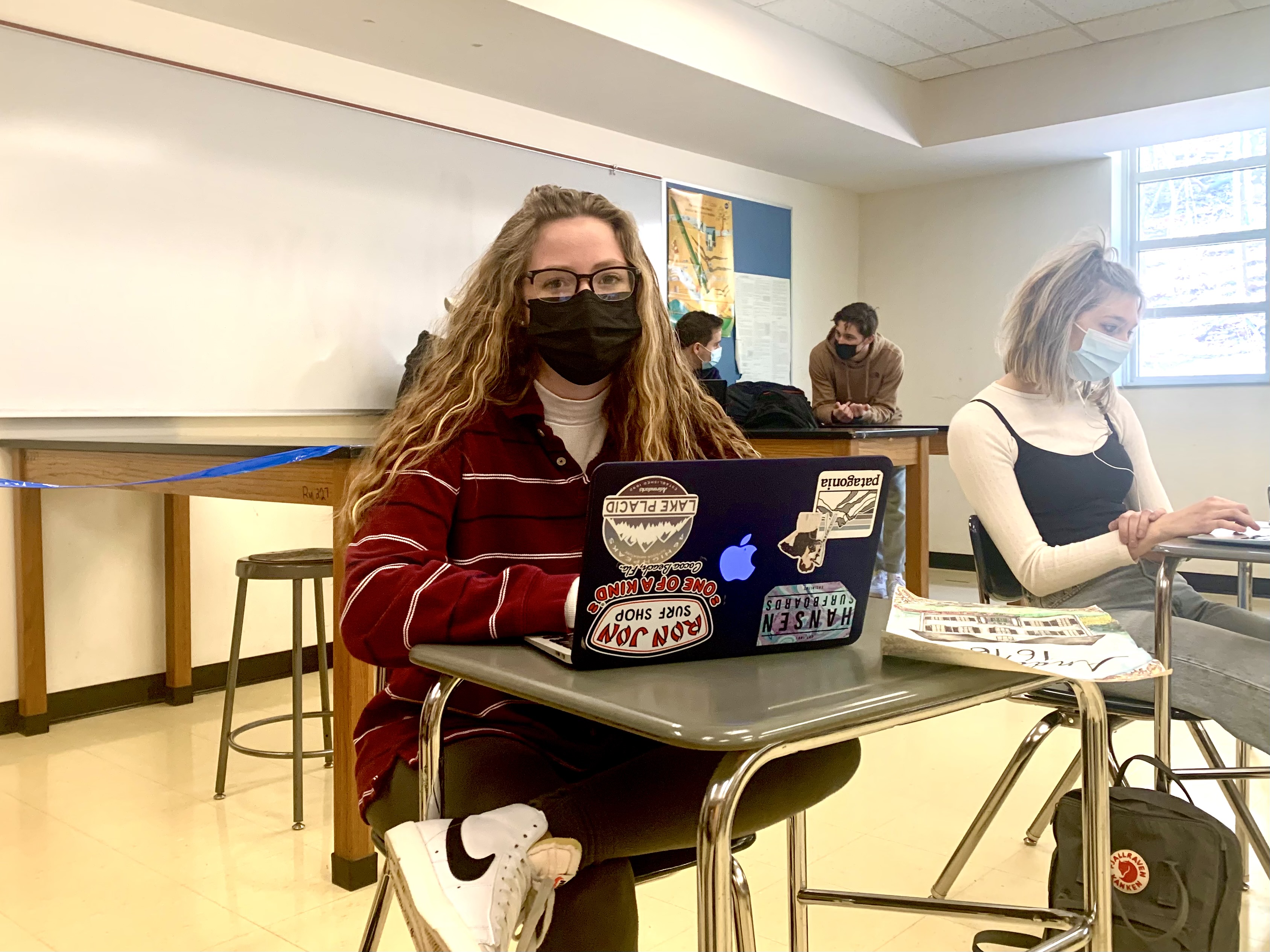
With the most recent surge of COVID-19 popping up after this year’s winter break and sending hundreds of students and staff in the Andover Public Schools district into quarantine, many are wondering if being in school in person is safe. I recall friends, classmates, and myself asking a very common question: “Why are we still in school?” This was a question I continued to hear in every class and H-Block for weeks after the break. Why are schools still open?
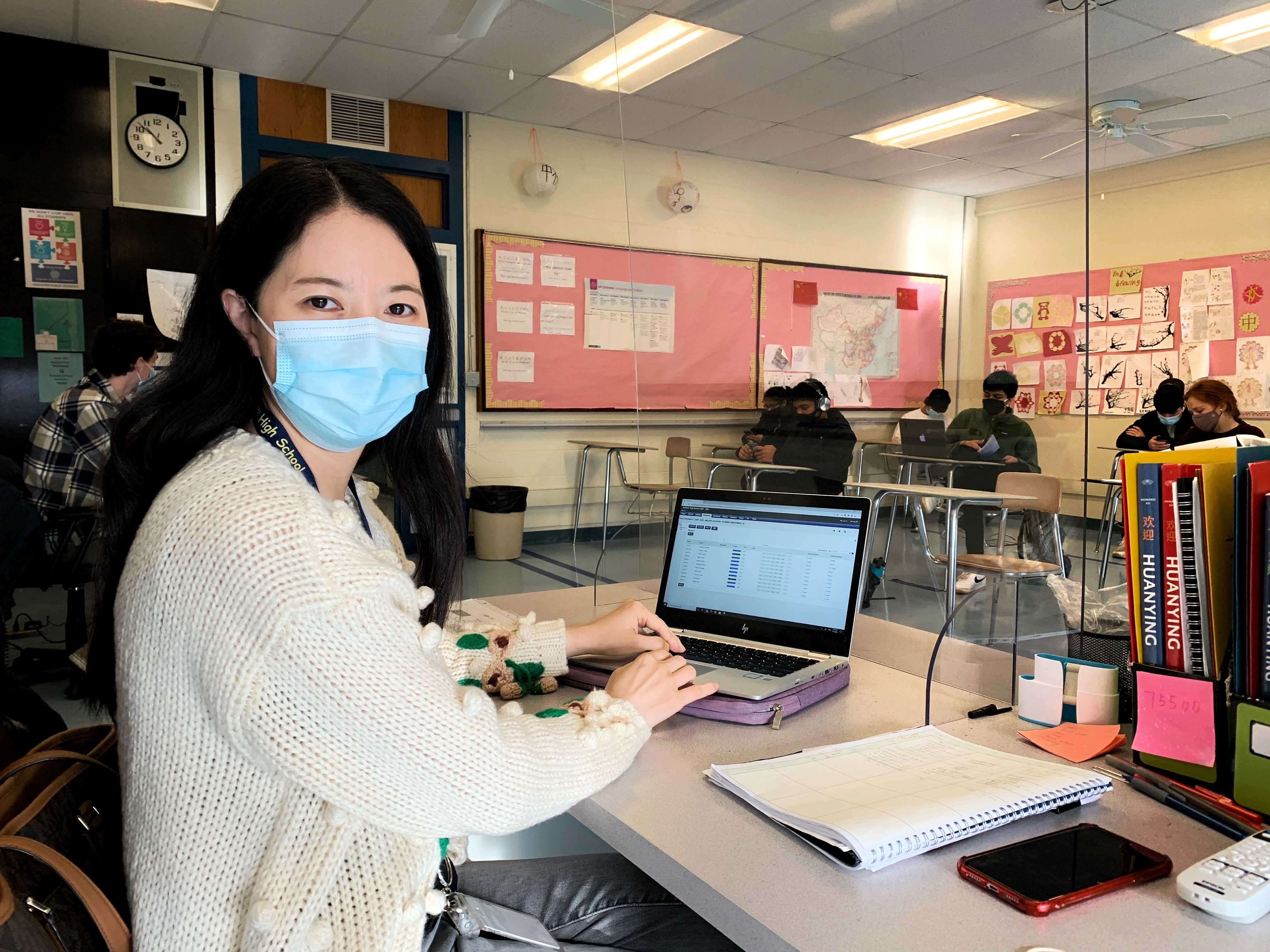
The pandemic has been a big struggle for the science community. There have been so many questions and so few answers due to the ever-changing state of the virus. Alan Kalf, a science teacher at Andover High School, said that “as our knowledge of epidemiology and biology develops, it can be frustrating for people to see health and safety expectations change”—referring to the changing quarantine guidelines. “No solution is a perfect solution; all involve compromises, and the government and society have decided that the risks of spreading COVID-19 are worth the benefits of being in school,” Kalf stated.

While I am worried about the current pandemic surge, the idea of going back to remote schooling is one I strongly dislike. The emotional and mental toll it can take on both students and teachers is severe. “There are studies out there that have said depression rates are higher due to [COVID-19] and the isolation while at home,” stated AHS health teacher Holly Breen.
“I have already been isolated away from other people enough through the pandemic, and I don’t know if I could necessarily go through another hiatus without it taking a major toll on my school work and my mental health,” said one student. They aren’t the only ones who struggled during remote classes. “Keeping students isolated seems to have impeded some students’ emotional and social maturity,” said Kalf.
There are some solutions that could be implemented. One shared by many students is to better reinforce the rules in place. “It would [probably] be nice to start requiring the vaccine unless you can’t get it for medical reasons,” suggested Gabriel Lima, a senior at AHS. “The virus seems to spread the most during this time of year.”
“I’ve heard that two lunchrooms were a pain last year, but I think that having the entire school packed into one cafeteria while eating is probably causing a lot of issues as well, given that there’s not enough space to safely social distance with the mask off,” suggested Diya Ganesh, a junior.
I definitely agree with having multiple lunchrooms because having one-quarter of the school in the cafeteria is extremely crowded, with not enough space to socially distance.
“Across the country, I wish that schools had better funding, classes were smaller, hallways less crowded, and buildings in better condition to be as safe as possible,” said Kalf. Having a school that isn’t big enough for all of the students definitely increases the number of cases.
The most important thing to remember is that staying safe is a group effort. Everyone needs to take their part in battling this virus by getting vaccinated, wearing masks properly, and obeying the safety protocols and quarantine guidelines.