Return of the Lunch: Free lunch program comes back with gusto
Anushka Dole
STAFF WRITER
Like the stubborn clinginess of gum to a desk, the school day refuses to yield, and your sanity is getting ever so close to snapping. Just when you feel you can’t take it anymore, the resounding dong of metal on metal rings in your ears, filling you with jubilation. You jump out of your chair, sprinting for the door. A similar cacophony has filled the halls: students clamoring for their lunch break, overjoyed to refuel, and nearly delirious with the chance to catch up with their friends.
The phenomenon of school lunches have always been an integral part of the public school experience, a staple of American pop culture. During the pandemic, most of us saw this time through rose-tinted glasses, reminiscing about the happy moments spent enjoying the food and company in the cafeteria. However, this was not the case for everyone. For the small yet significant number of students on the free or reduced lunch program, lunch was a daily struggle due to the stigma surrounding their situation. Often, kids on the program chose to skip lunch rather than subject themselves to the possible (and sadly, probable) cruelty and judgment of their peers.
Naturally, these students must have been wary of the Return of the Lunch, yet the legislators of Massachusetts surprised us by extending the universal free lunch program to the 2022-2023 school year. Made possible thanks to a nonprofit known as Project Bread, the extension of this bill has had positive effects for everyone involved, including students who hadn’t expected to benefit. Andover Public Schools’ nutrition coordinator Taylor Pirog had many things to say about her job and about the program.
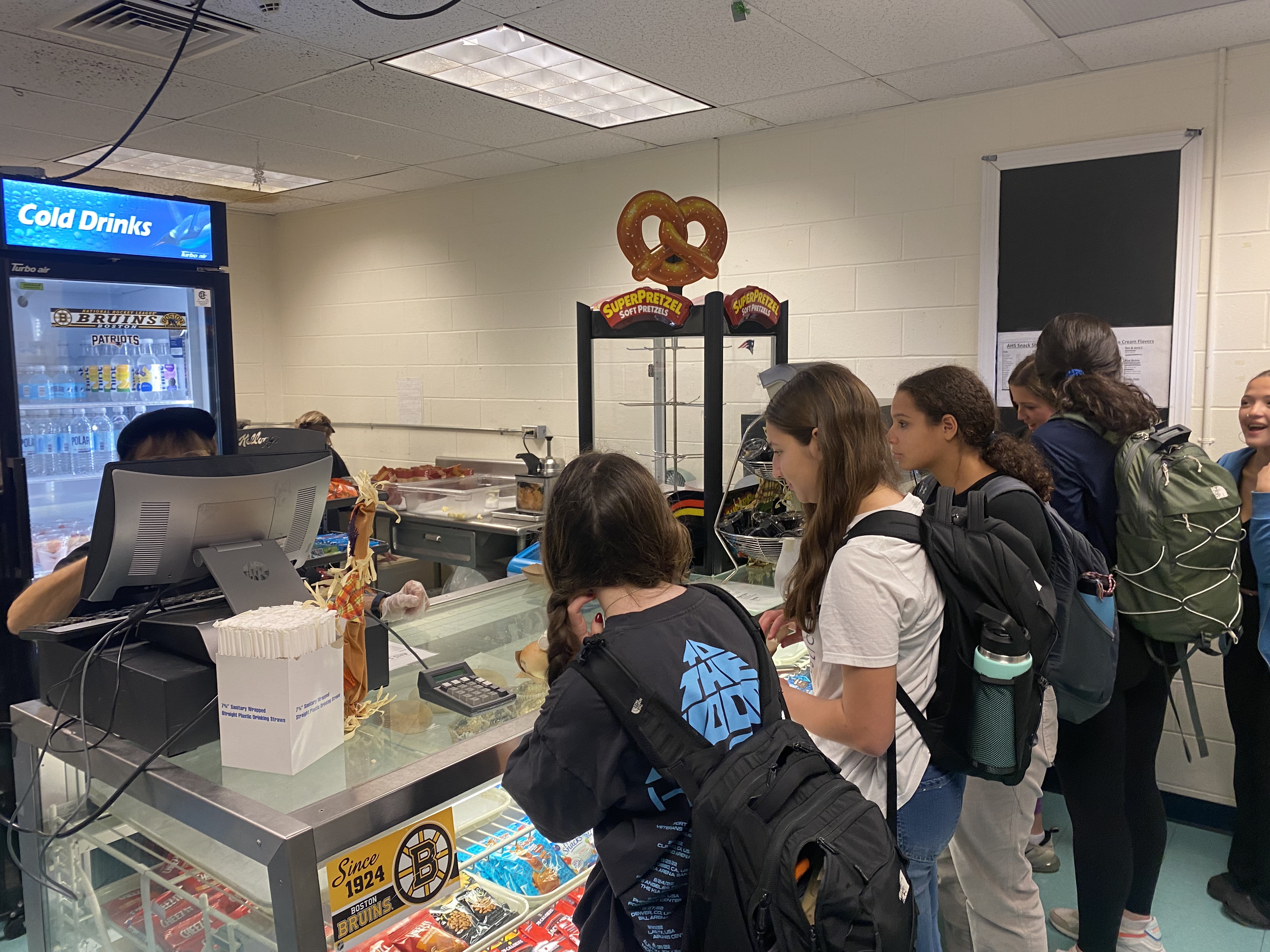
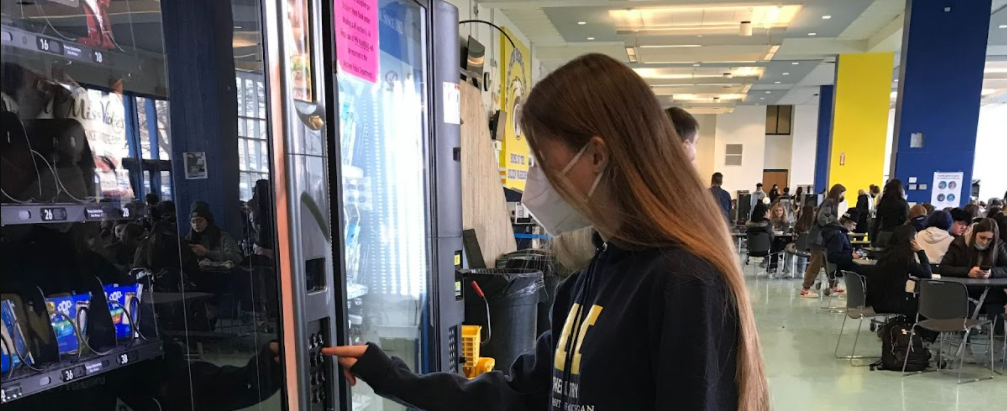
Pirog said that out of fifty states, only three have continued to implement the universal free lunch program this school year, Massachusetts being one. This has allowed the APS school nutrition program to expand without bounds, giving students the opportunity to “broaden their horizons—to branch out and try things they couldn’t try [before.]” Students can select from a vast selection of foods, including a hot line, a grill line, and a wrap line, along with vending options and the beloved Snack Shack.

However, free lunch does have its drawbacks. One concern associated with this program was a decrease in the quality of food offered. Many administrators fretted that the nutritional value and portion size of lunch would decrease, not leading to a net positive for the school system. Thankfully, this has proved not to be the case. Pirog acknowledged that even though many workers “do not come from a culinary background,” they are “willing to work, and that’s the most important thing.” All food produced is made from scratch, with no fried or processed elements.
Another concern of the free lunch program is the payment of said workers. Previously, the cost of lunch paid all workers’ salaries, but since food has been made free, the nutrition department has had to get creative. “The money that we get from the vending machine and Snack Shack—it pays everyone’s salary. So it’s a tricky balance—we need to be making money, but also want good nutrition for the kids. It’s like running a business.” Luckily, business is booming; kids in great volumes are enjoying both cafeteria food and food from the Snack Shack, meaning that nutritional targets are being reached while financial goals are also being met.
The widest reaching impact of free lunch is that students from all socioeconomic backgrounds have been able to bridge the gap between different economic statuses and enjoy lunch together, making the cafeteria experience all the more rewarding. Pirog agreed with this sentiment, saying that the cafeteria has led to a fostering of a sense of community and unity. “Not only do students build relationships with each other, they also feel comfortable with and build relationships with the workers,” she said.
Thanks to the dedication of workers in the nutrition department and the generous free lunch bill, reservations about the success of the return of the cafeteria have been thoroughly squashed.
“At the end of the day, we want kids to come in and have a safe space,” said Pirog.