OPINION: H1: Keep or Scrap?
Vismay Ravikumar
STAFF WRITER
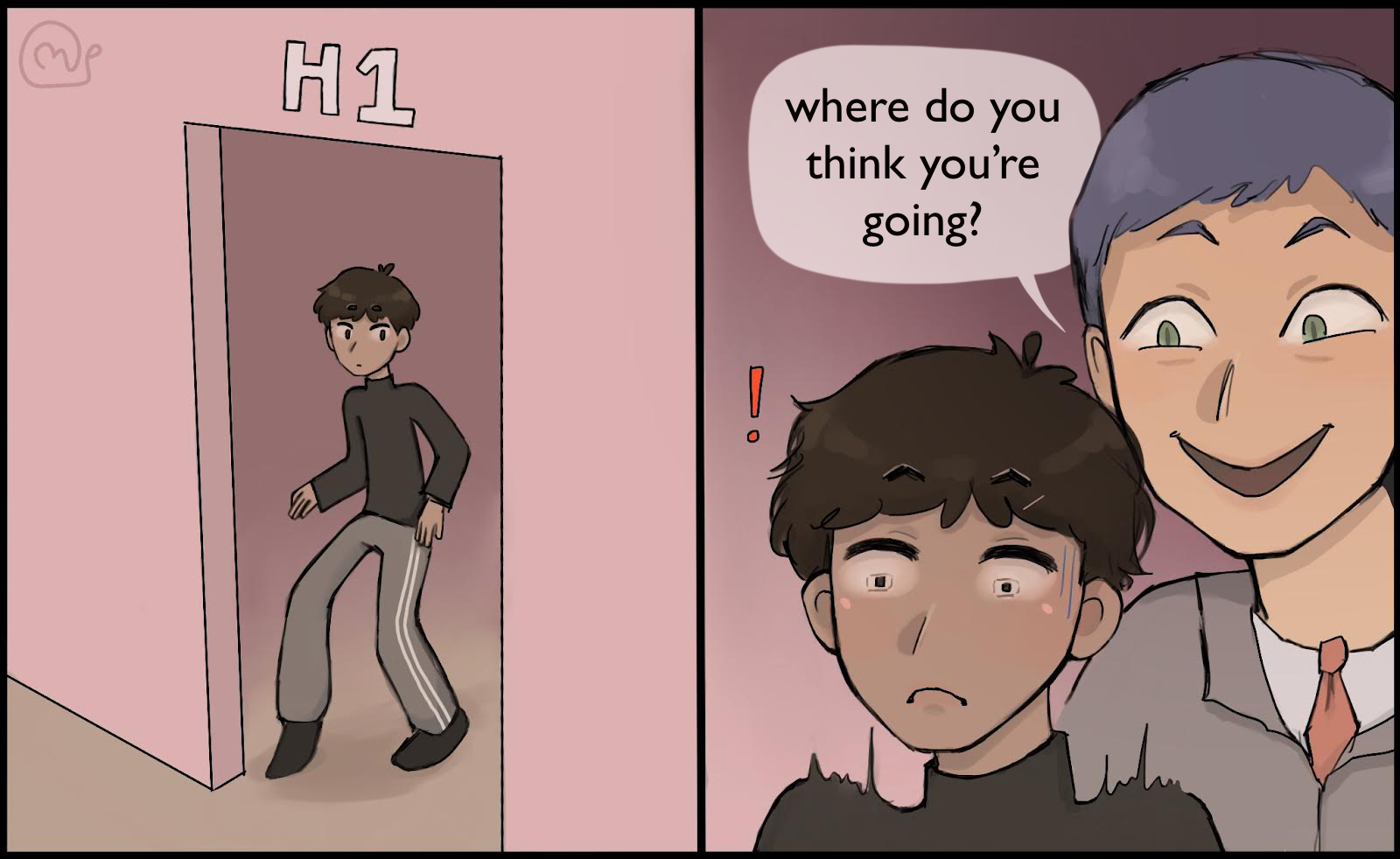
H1 has been a polarizing topic among students and faculty alike. The question stands: Should we keep the agendas, modify them, or get rid of them altogether?
Ever since Andover High School transitioned to the 7+H schedule, H blocks have been a saving grace for many students. Mirroring “flex” periods that are offered in middle school but with more flexibility, H blocks give students a chance to meet up with teachers, receive extra help, do make-up work, and collaborate on group projects during school hours. However, this ability is limited only to blocks H2 through H5. H1 remains an advisory block, with detailed agendas compiled by an advisory board of 20 faculty members designed to build school community and provide grade-specific instruction.
Alicia Linsey, the Clinical Coordinator at Andover High and soon-to-be assistant principal, is overseeing a revamp of the H1 block. Linsey sees H1 as a space to foster a greater sense of community among students and faculty. According to her, H1 time is “focused on grade-specific programming that encourages community building and cultivating positive peer and faculty relationships.” Through community-building activities and grade-specific agendas, Linsey hopes to build camaraderie within the school and prepare students for upcoming milestones in their high school careers.
This year, the H block team is planning to implement a system where each freshman H1 receives three to four upperclassmen ambassadors who provide mentorship and guidance and meet with their group once every month. Through this system, freshmen can receive advice from upperclassmen that will better prepare them for high school and have a resource they can reach out to with any questions.
Despite many efforts to improve H1 over the previous years, students and faculty are split over the role of H1. Senior Rishi Gujjar “doesn’t see the point in it, usually, most of these could be addressed with a simple email rather than having an entire class block dedicated to it.” If carried out correctly, these activities can benefit students, but if they span the whole block, they tend to take away time from students who need to study for tests and catch up on assignments.

When asked about the intended purpose of H1, Nicole Campbell, math teacher at Andover High, said that it is meant to provide “regular” teachers and peers that students see throughout all four years of high school, allowing them to meet people who they otherwise wouldn’t have met. However, students tend to stick with the people they know and hesitate to branch out to meet others. Furthermore, some H1 teachers are difficult to approach, discouraging students from reaching out to them. To make themselves accessible, teachers need to facilitate conversation and establish themself as a resource rather than authoritarian.
H1 agendas often lack material specific to each grade. Course selection is a mundane task that students already know how to do by junior and senior year, and this time would be better spent on grade-specific topics, such as college admissions for seniors or the college search process for juniors. Thus, H1 agendas are often of little value to students and need to be overhauled to make the block worthwhile.
Student engagement during H1 has been amiss. Campbell remarked that “honestly… [students] are engaged with each other” as opposed to engaging with the H1 agenda. Campbell recommended that H1 agendas should be made shorter to deal with this issue.
Junior Kyle Huang concurred with this lack of student engagement during H1. According to Huang, H1 often lacked a sense of invigoration among students and has a “forced” feeling associated with it. Frankly, students don’t get anything out of filling out forms and doing personality tests that have little or no value to them.
Meghan Michaud, art teacher and a member of the H1 advisory board emphasized her commitment to adding activities that aren’t simply “fill out this form – see how you rank”. Freshman and sophomore H1s this year worked together on a puzzle, where they each designed an individual puzzle piece and put them all together: a short community-building activity that builds teamwork without taking too much time away from students.
In particular, Michaud mentioned the cookie-decorating activity done in previous years, and how it was a bonding experience for them as the whole H1 had to work with one another making the cookies. Regardless, anything involving food is sure to pique students’ interests.
The likelihood of H1 going away is very slim, as it does let students meet peers that they wouldn’t have met otherwise, and is an effective method of communication between students and the administration. However, numerous issues have plagued it: namely, a lack of student engagement and relevant material. To combat this, H1 agendas should be made shorter, interactive, and more pertinent to each grade so that students not only get more out of it but have time to catch up on schoolwork.